My Snowboarding Journey
What started as a life checkbox became a pursuit that now pulls me across continents, chasing that brief each year when mountains turn white and gravity becomes a playground.
Six years in, I'm still unlearning bad habits and discovering how much I don't know. But that's the hook: snowboarding rewards patience in a world that rarely does. Progress is measured in seasons, not sessions.
I’m applying metacognition by figuring out what I know, what I don’t, and how I can keep evaluating and refining my learning. This is my curated snowboarding progression path — a way to map out my metaknowledge.
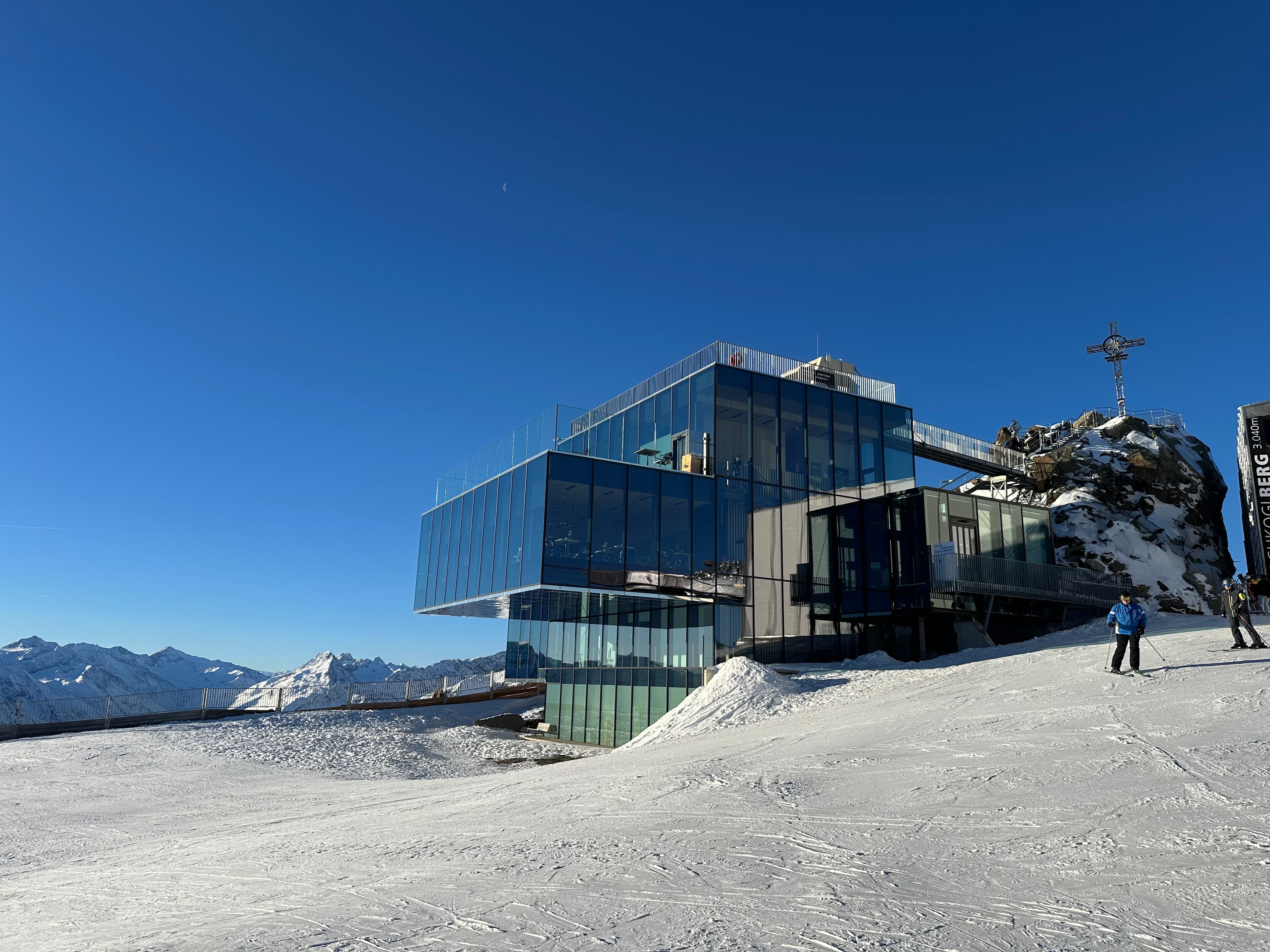
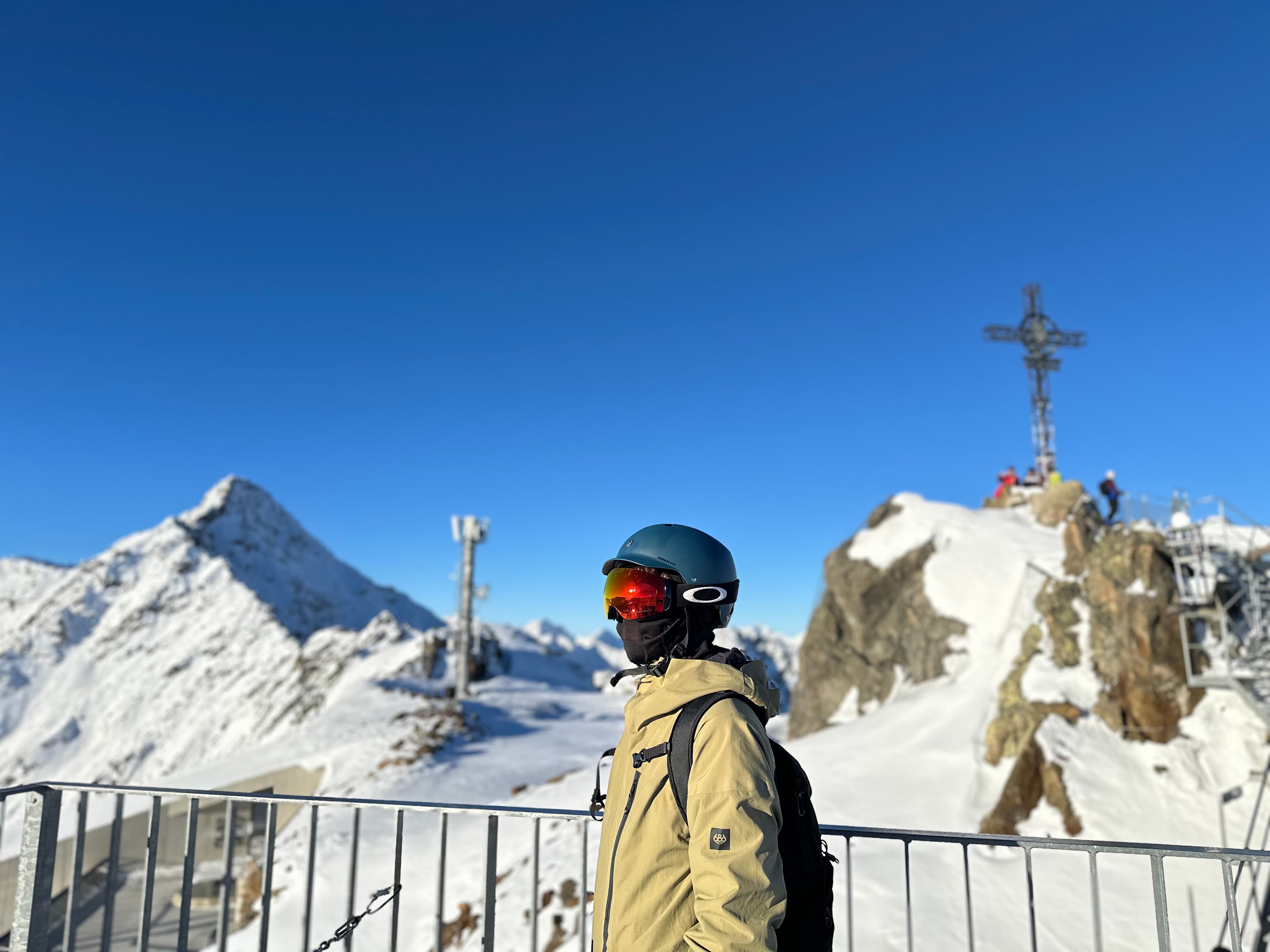
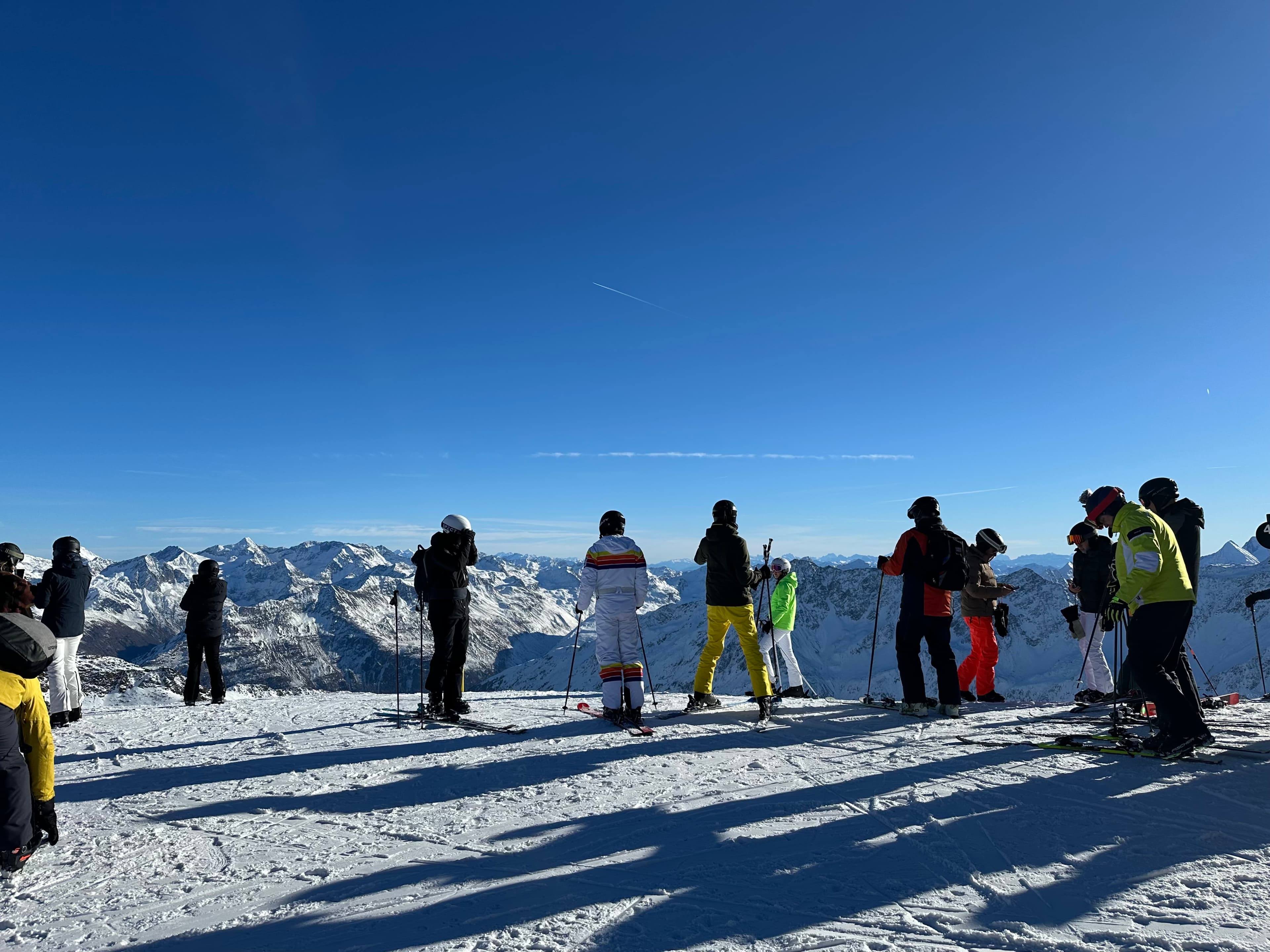
From southern Germany (Schloss Neuschwanstein), it takes over two hours by car to reach Sölden, and about one hour from Innsbruck.
Sölden features three main areas: Gaislachkogl, Giggijoch, and the Glacier.
Not the ideal resort for first-timers; the gradients and conditions can be quite intense. My less experienced companions struggled significantly. Many of the blue runs here would be rated red or even black in Japan. This is likely because many local skiers started young and have collectively raised the difficulty standard over generations.
Nevertheless, I truly enjoyed the sheer scale of the resort and how well the different areas are interconnected. The Valley Run was particularly enjoyable, while the famous “Big 3” on the glacier offered a nice mix of challenge — with sections of moguls and icy patches. It is also an excellent wide-open space for practising carving.
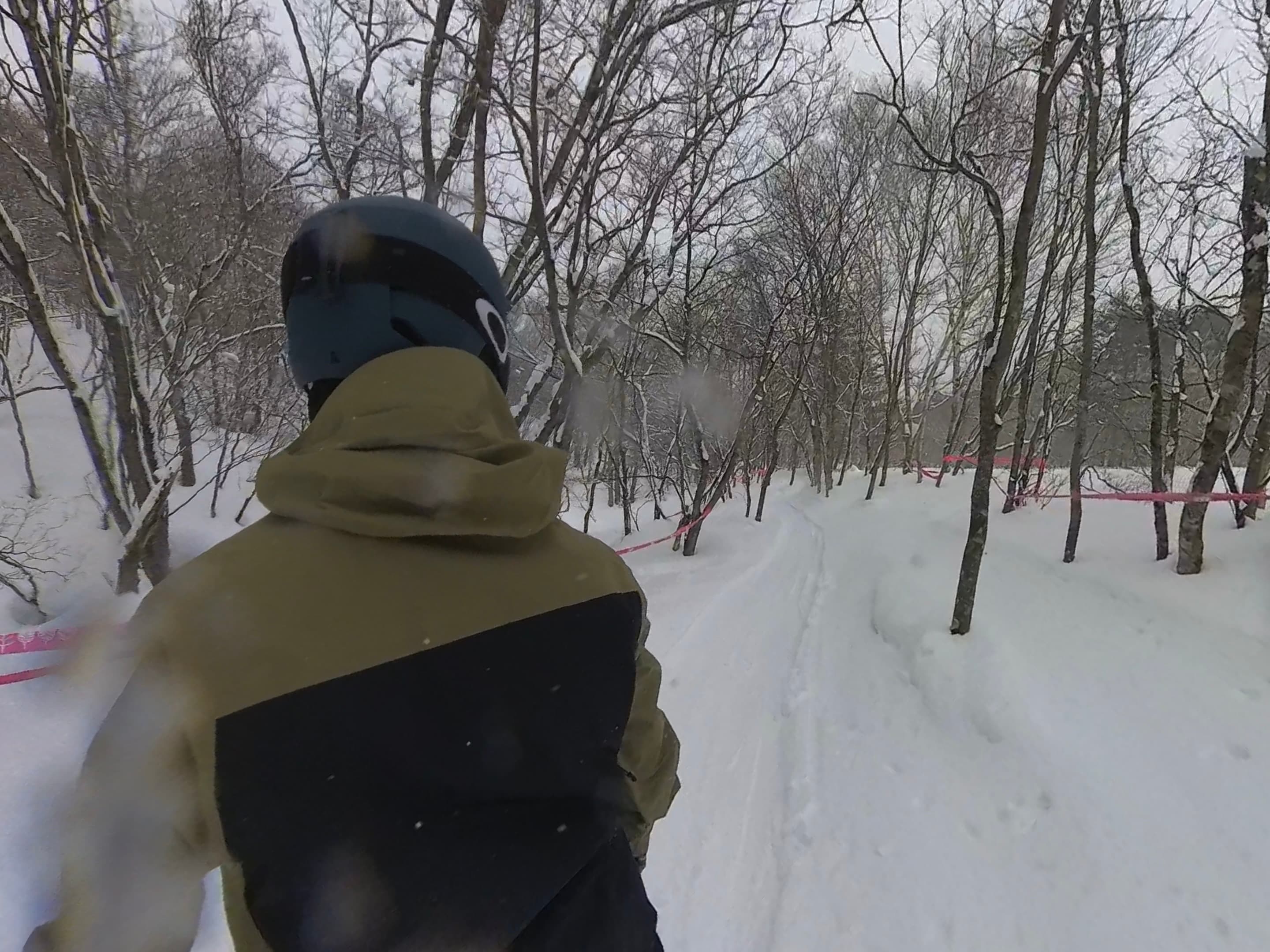
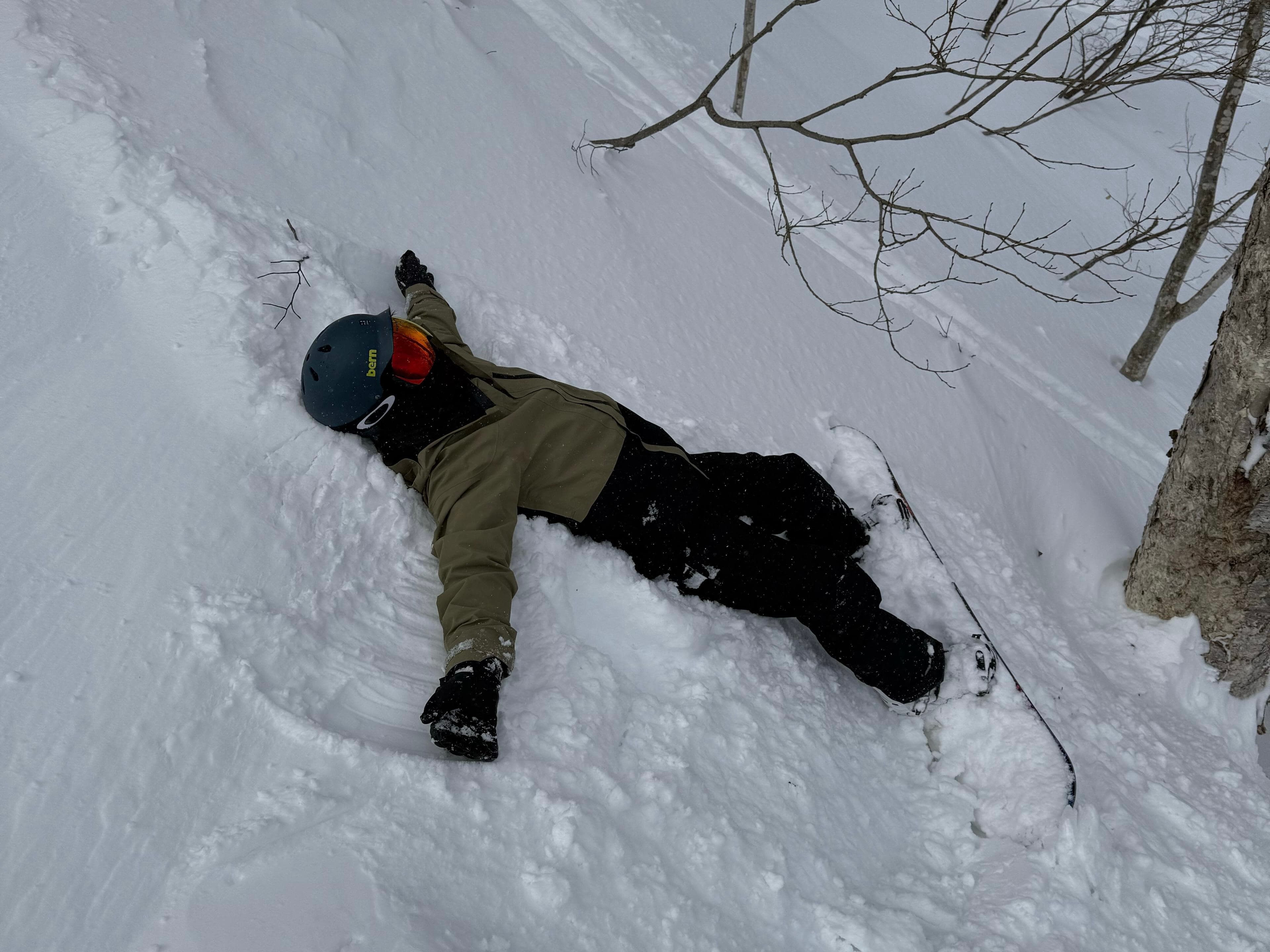
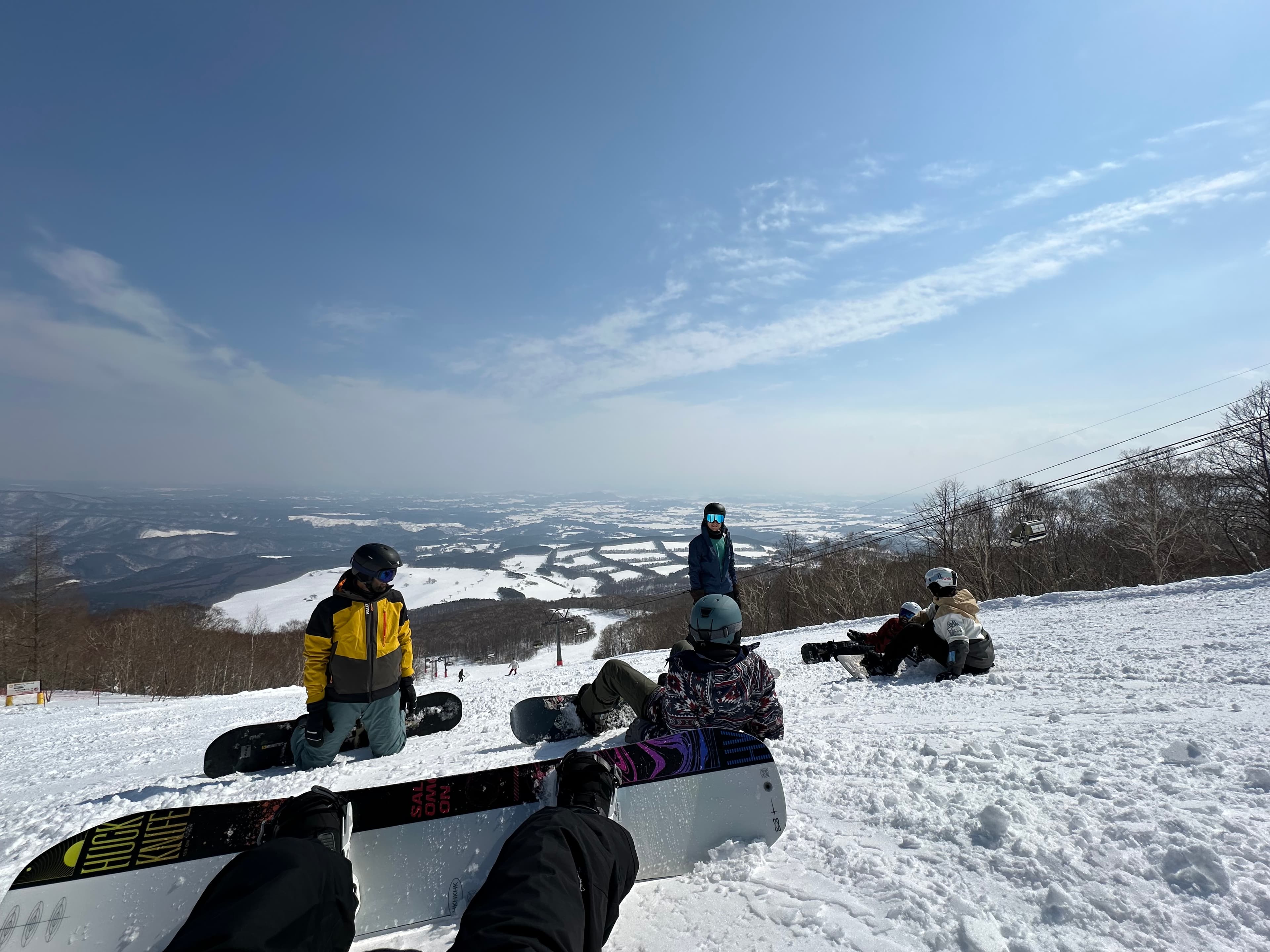
Located about three hours from Tokyo, Appi Kogen is renowned for its famously soft, “aspirin snow”.
Even after several sunny days with little fresh snowfall, the snow conditions remained surprisingly pleasant. The resort is large, with well-connected mountains, and significantly less crowded compared to Japan’s more mainstream destinations.
This trip also marked my first experience riding through tree runs — including a few hard falls — yet the overall impression remained very positive. Highly recommended.
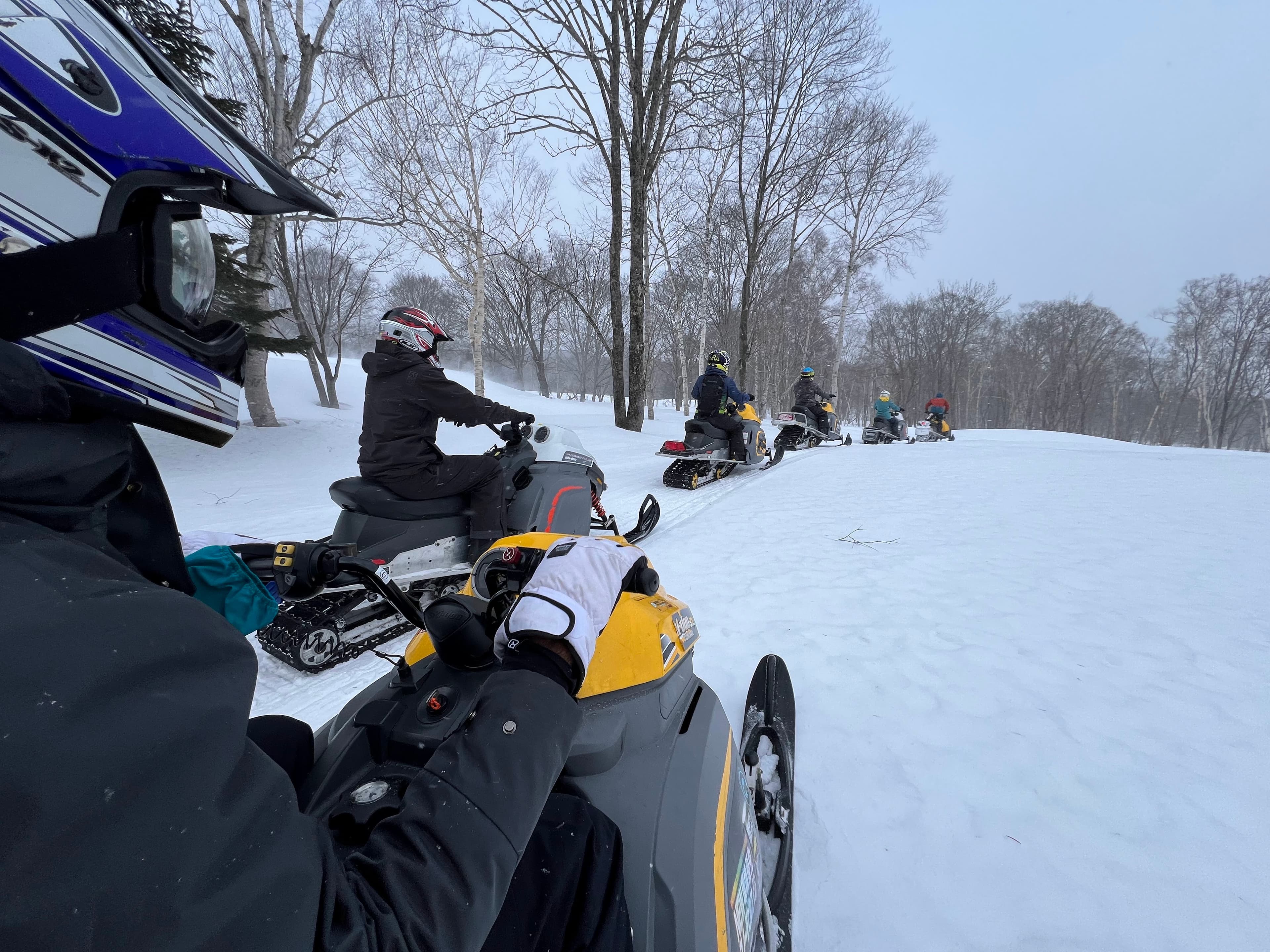
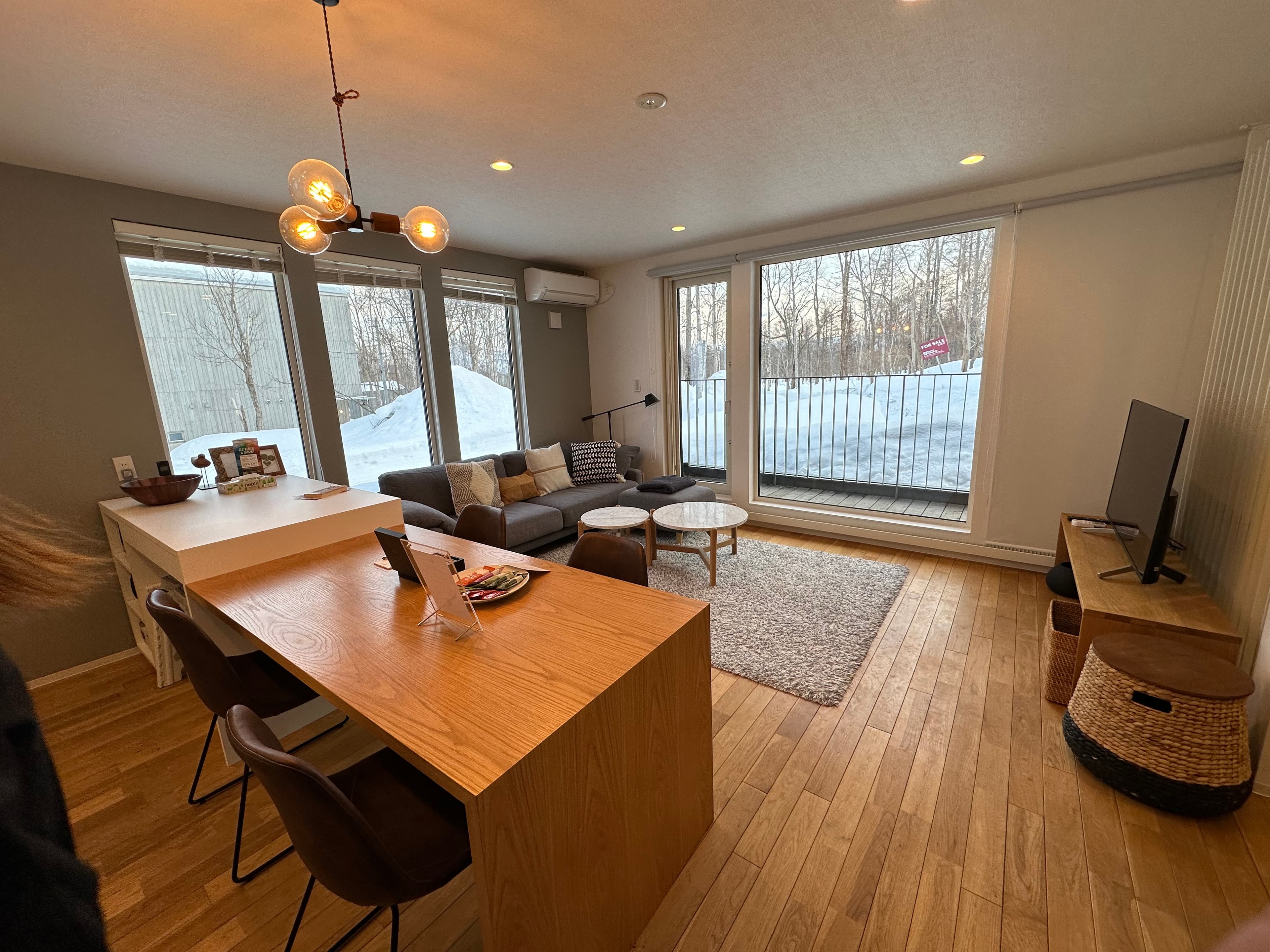
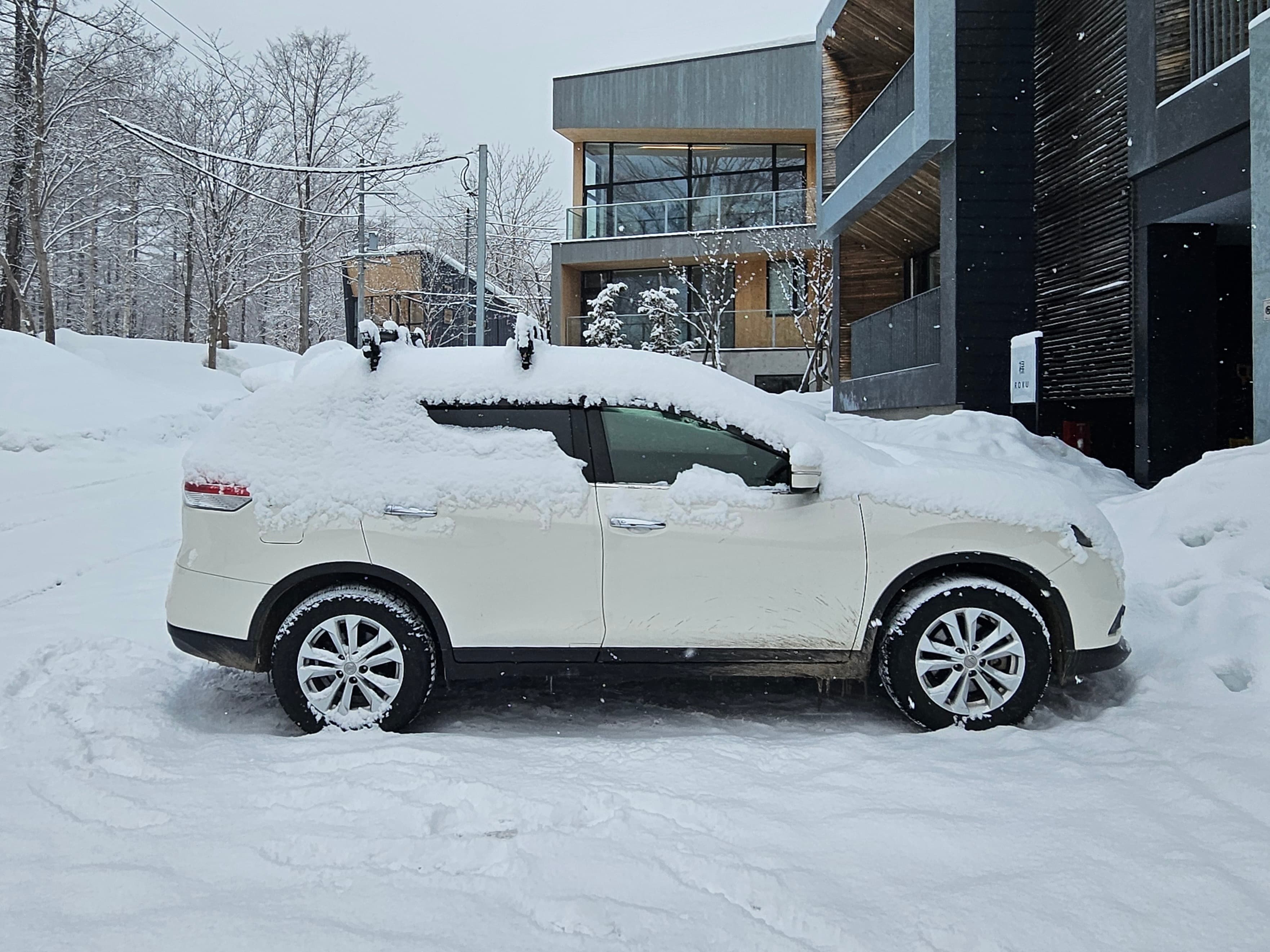
Niseko (map) is world-famous for its legendary powder snow (commonly called “Japow”), thanks to its unique geographical and weather conditions.
However, how much powder you actually get to enjoy heavily depends on both your skill level (ability to access the higher, untouched zones) and the daily weather pattern. It’s entirely possible to encounter an icy experience during your trip.
We found that starting from Annupuri in Niseko, or heading to nearby Rusutsu, offered a much more relaxed and enjoyable experience compared to joining the long queues at Grand Hirafu.
Ultimately, finding the right resort and conditions that match your level is key — there is no universal “best” choice for everyone.
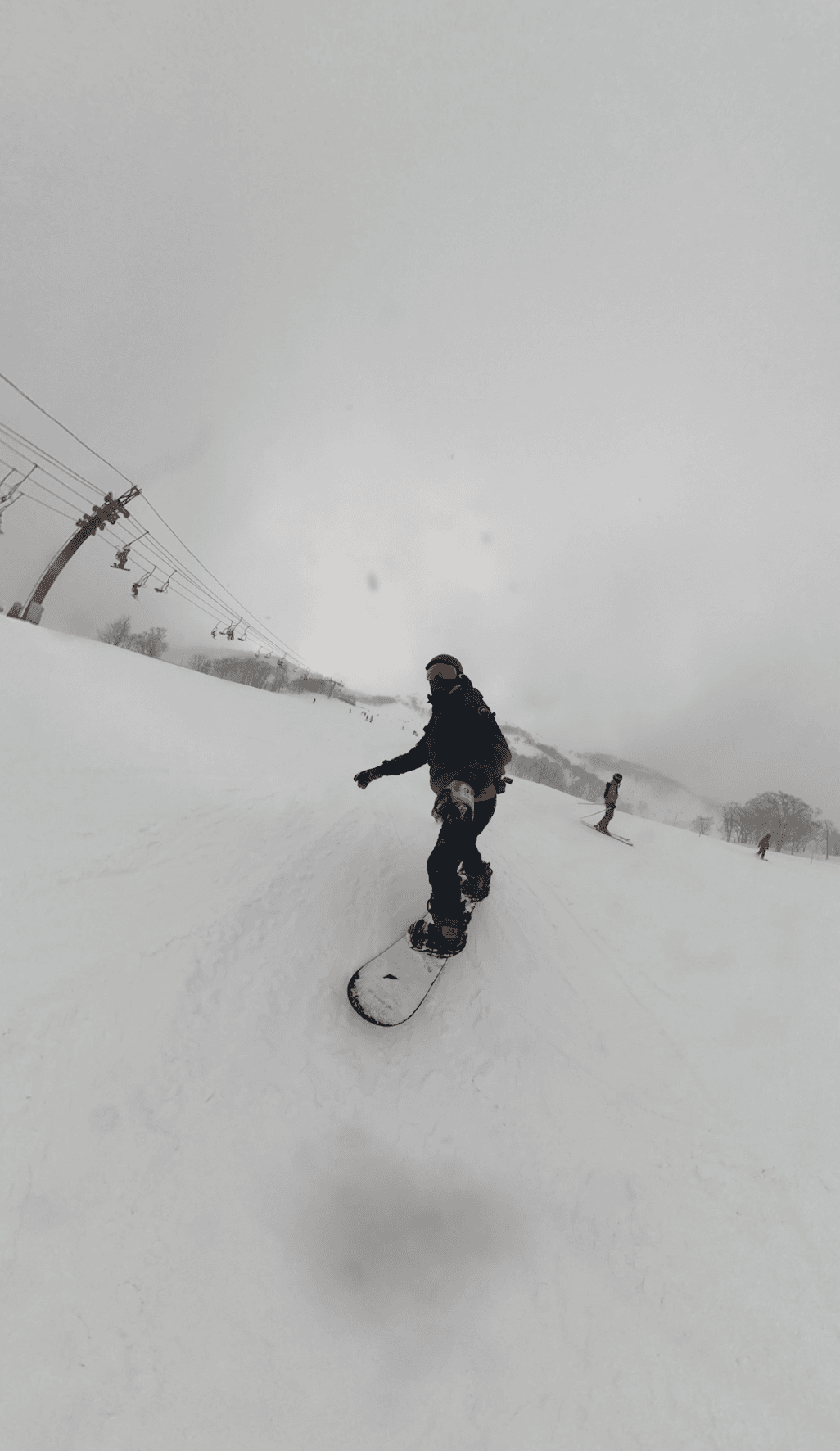
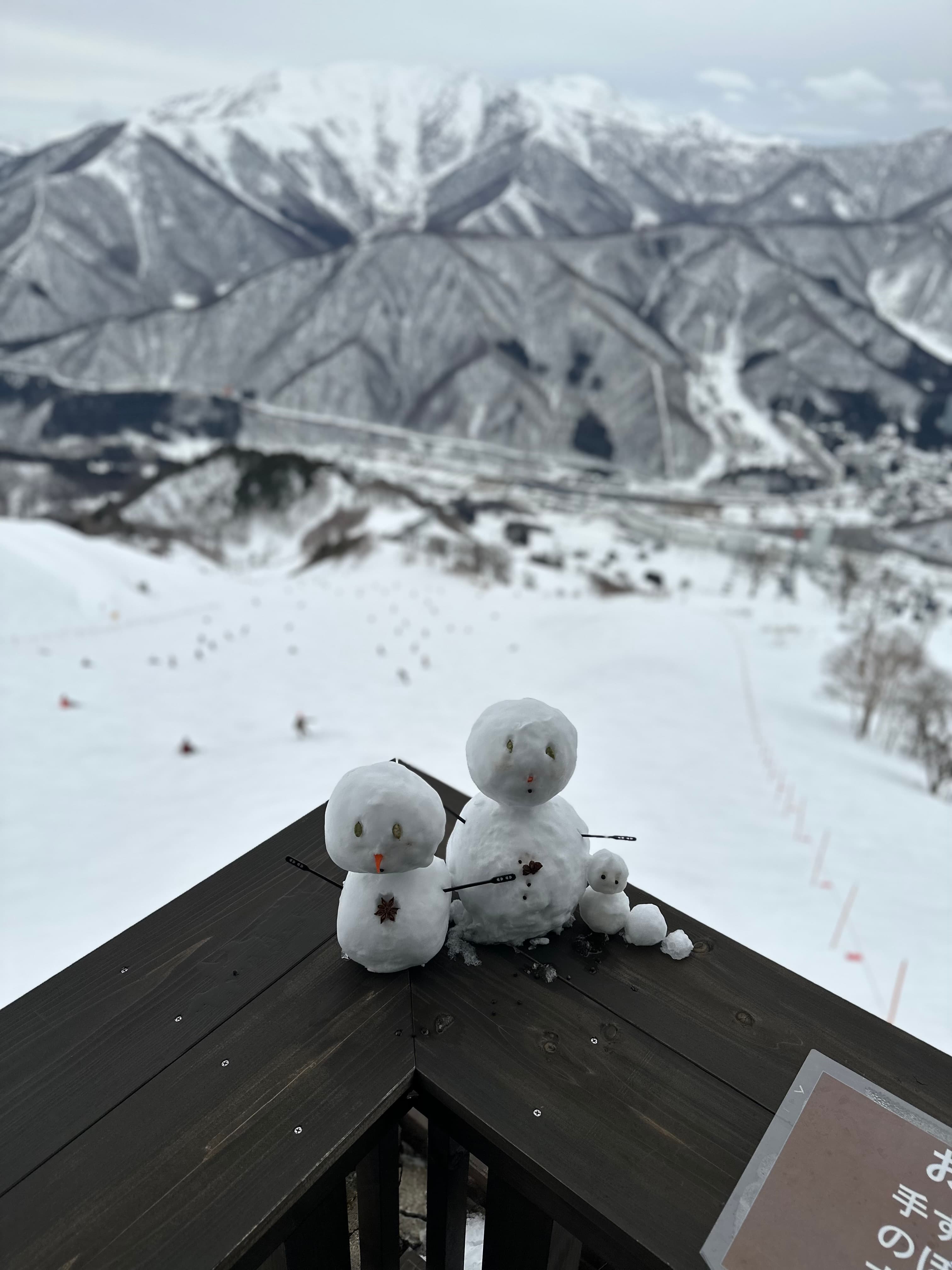
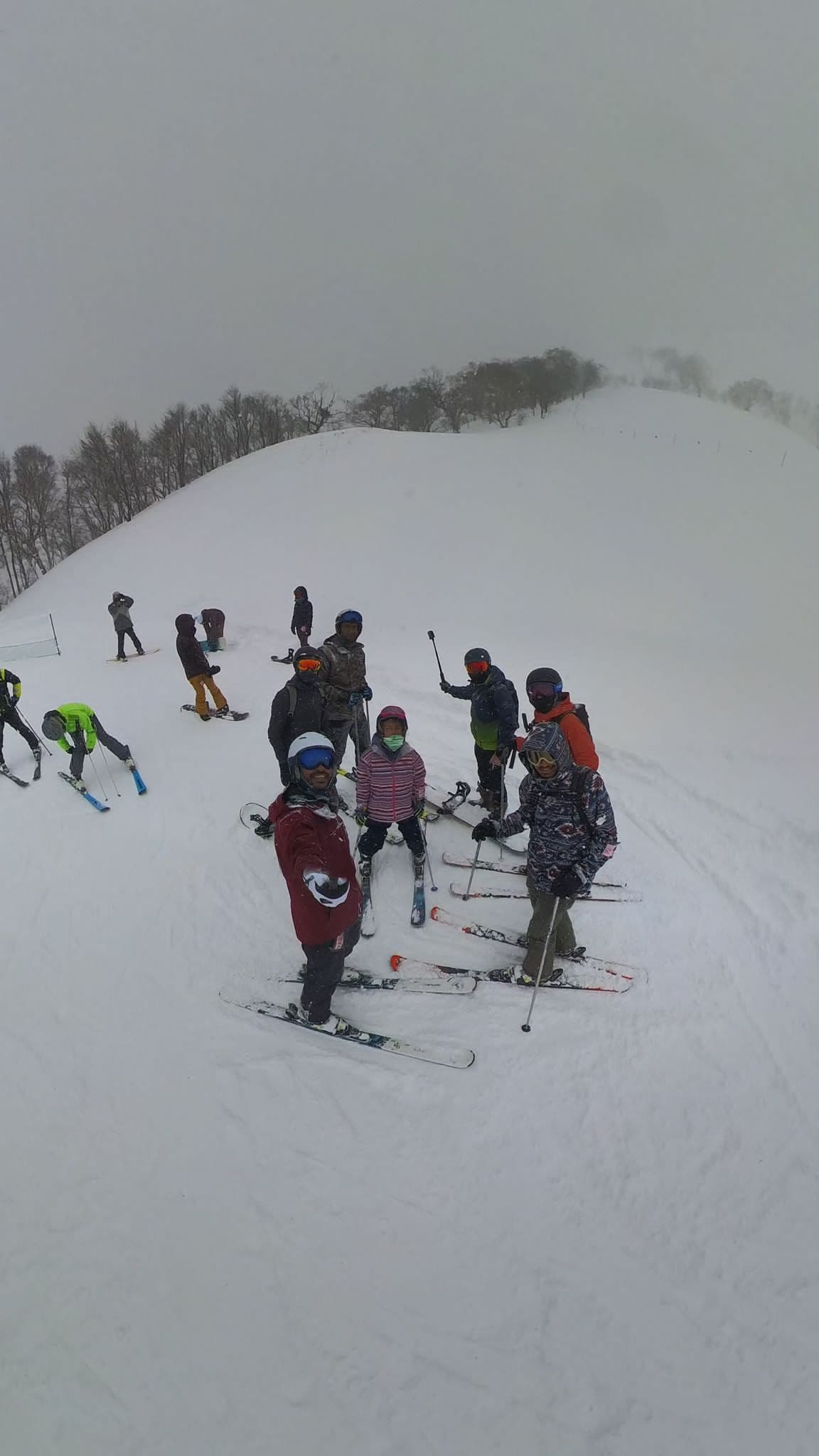
After several years of pandemic restrictions, we finally reopened our arms to international travel — and Tokyo became our next destination.
We chose Naeba, staying at a convenient ski-in/ski-out hotel that allowed us to start the day quickly and efficiently.
Yuzawa area offers numerous well-known ski resorts, and Naeba itself is a very balanced destination — especially friendly for beginners and returning riders looking to refresh their muscle memory.
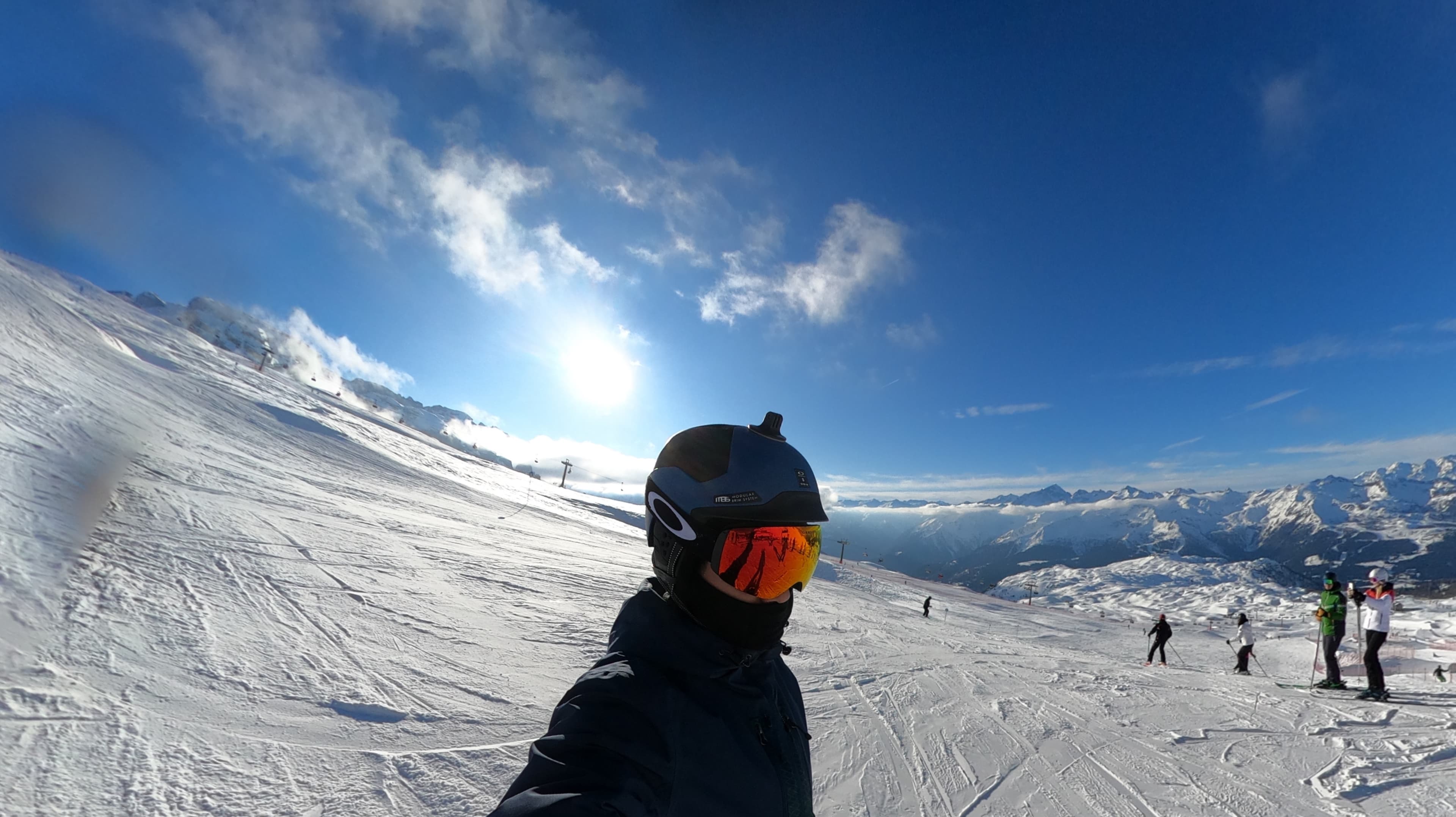
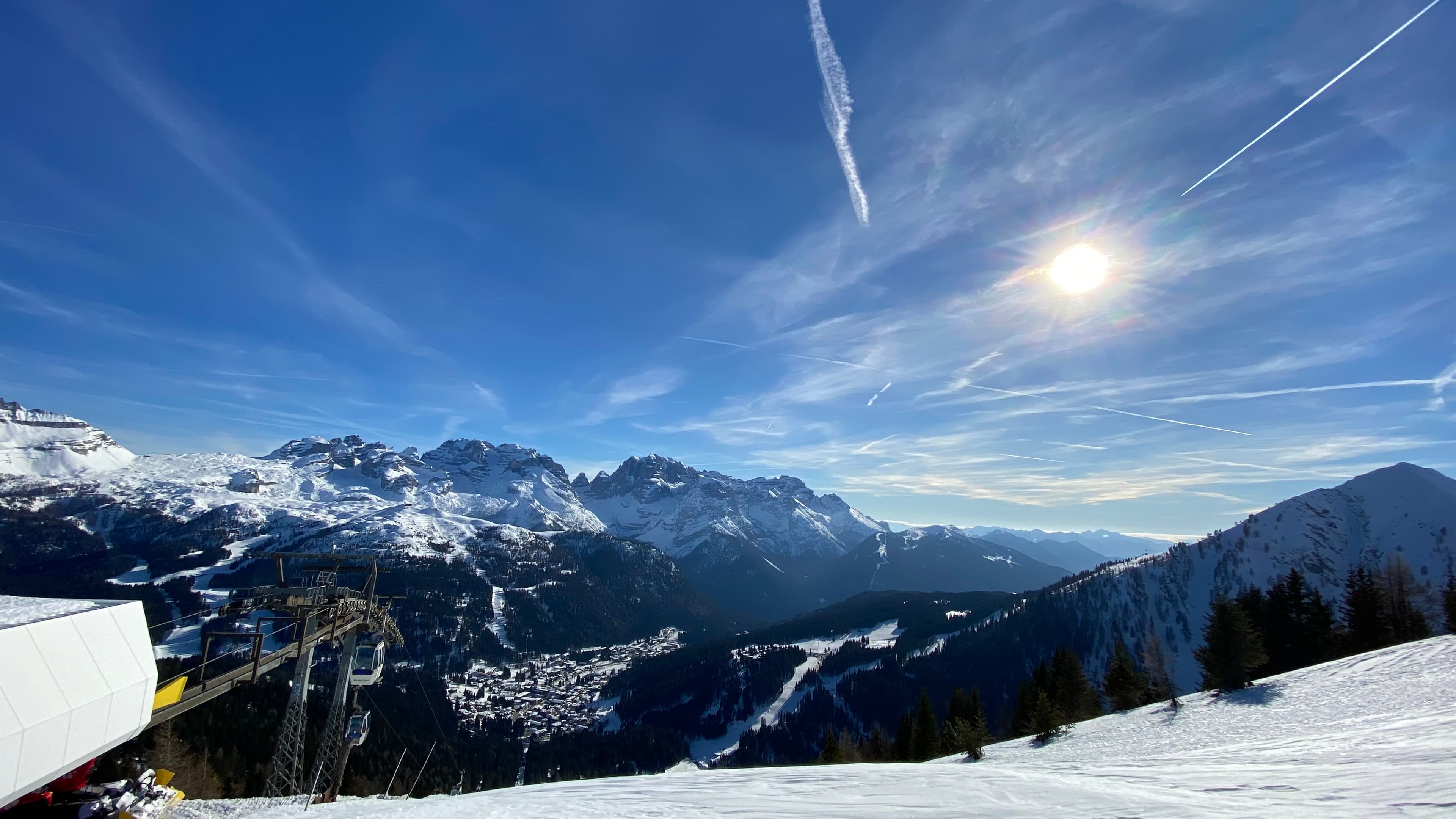
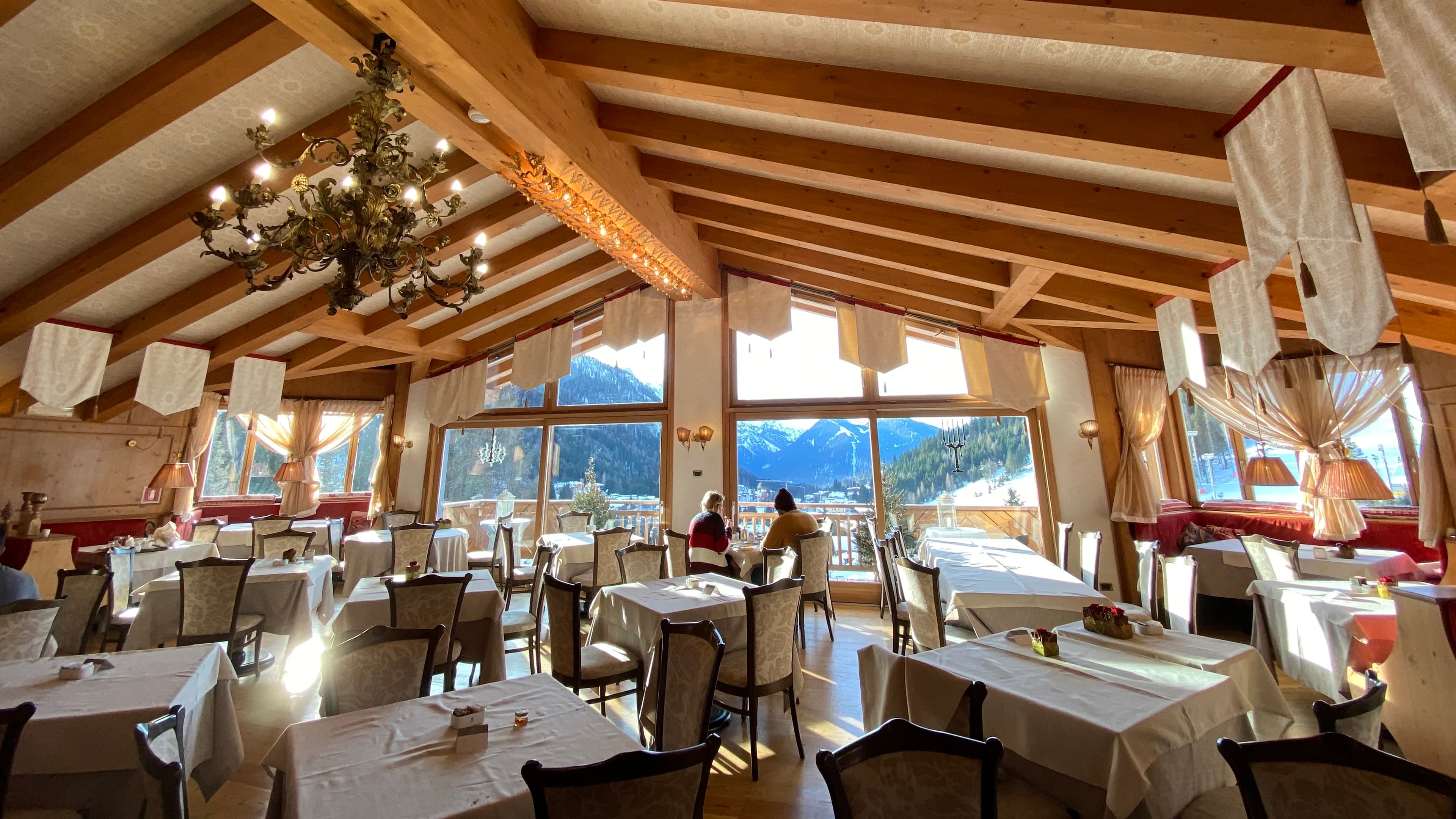
My visit to Madonna di Campiglio (via Milan) marked the final chapter of pre-COVID snowboarding experiences, just before the world entered widespread lockdowns.
This trip further deepened my involvement with snowboarding. At the time, I felt I had become noticeably more stable — though looking back now, I had developed several inefficient habits, such as counter-rotation and incorrect weight distribution during turns.
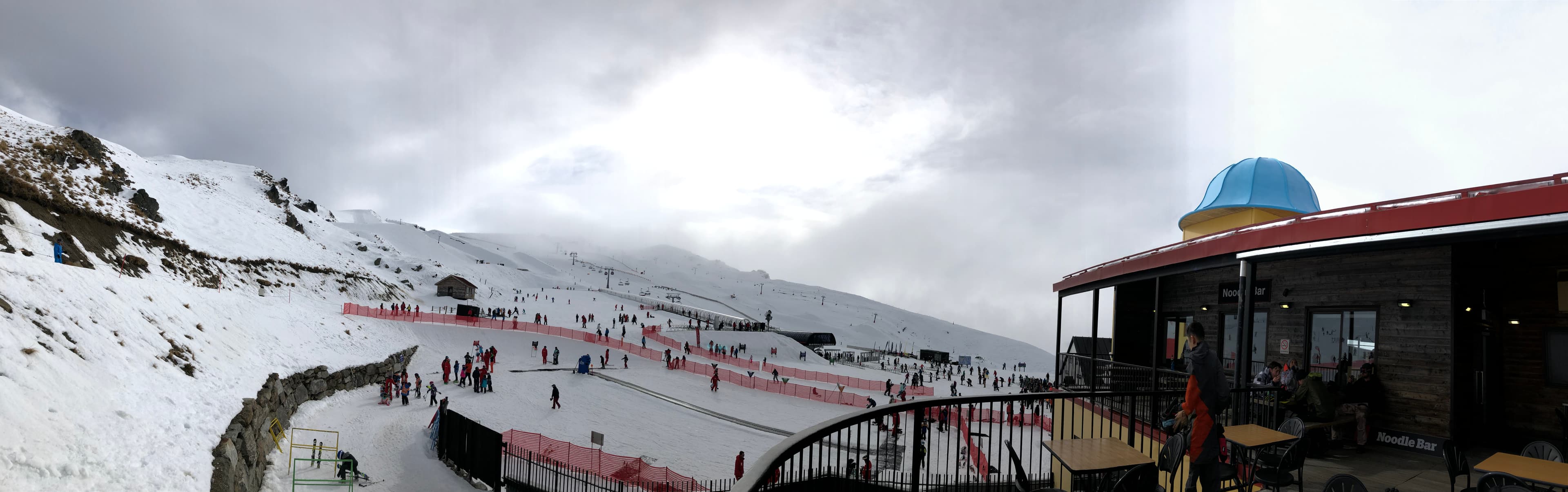
Queenstown, known as the “Adventure Capital” of New Zealand, offers breathtaking alpine scenery on the South Island. The region is home to several ski fields, including Coronet Peak and Cardrona.
This was my first snowboarding trip with more experienced skiers — a bumpy but valuable learning journey. Falling and getting back up repeatedly is simply part of the process.
While I often found myself more captivated by the stunning mountain views than by perfecting technique, those early struggles were the necessary foundation for everything that followed.
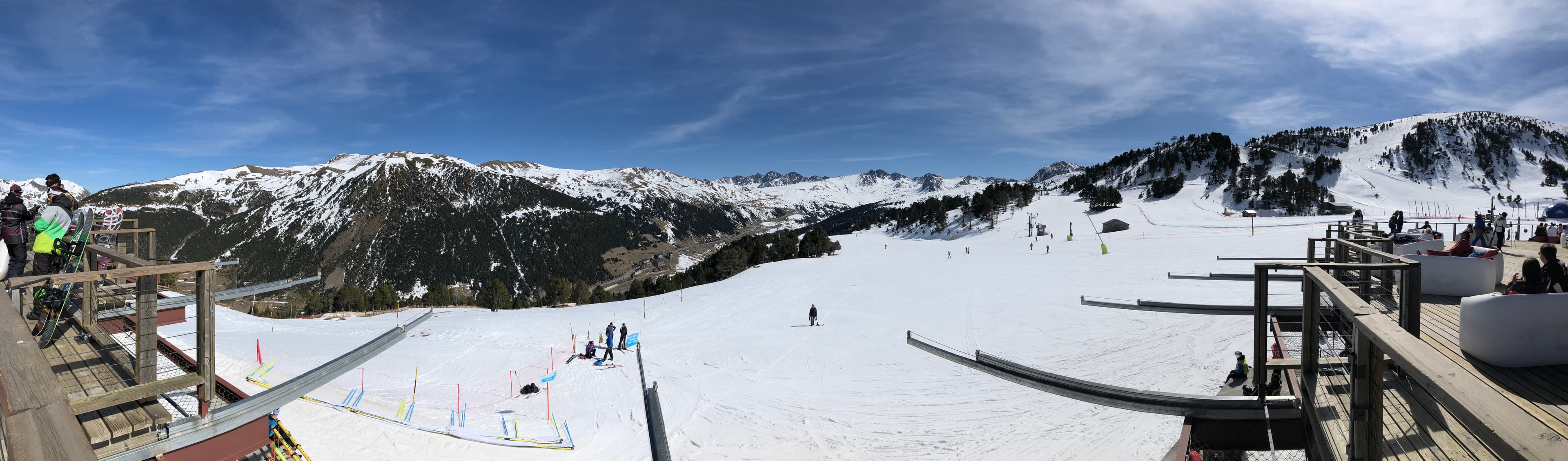
My very first snowboarding experience took place in Andorra at Grandvalira — a small European country without a military or even its own airport, and not a member of the European Union.
It was a single-day trip with a private instructor teaching at the base area. While it successfully introduced me to the basic concepts and movements, the limited practice time meant almost no real foundation was built.